
A a baby with a tummy ache Her evenings often start in exactly the same way: her legs tucked up, her little face flushed, and a cry that nothing can soothe. At times like this, every parent is looking for the same thing – something that really helps, right here and now, at home.
Baby colic is one of the most common difficulties during the first few months. The good news is that in most cases it is temporary, and with a few tried-and-tested old-fashioned remedies, you can go a long way towards easing your baby’s restless hours when they have colic. In this article, we’ll look at what might be causing the tummy ache, how gentle heat can help, which massages and positions might be beneficial – and when you should see a doctor.
Important: the tips below are supplementary home remedies. They are not a substitute for advice from your paediatrician or health visitor.
Why does a baby get a tummy ache?
A newborn’s digestive system is still immature: the rhythm of bowel movements, the gut flora and the technique of swallowing are all still developing. Air can enter the tummy whilst feeding, and the gas can cause a feeling of tightness and cramping.
Stomach ache typically begins around 2–3 weeks of age, is at its worst around 6 weeks of age, and subsides by 3–4 months of age in most babies. This is an average – for some, it goes away sooner, and for others, it lasts longer.
Signs that may indicate stomach ache:
- he pulls his leg up and tenses his stomach
- his face turns red, and he clenches his fist
- he usually cries in the late afternoon or in the evening
- it settles down once the gas has been passed or after a burp
- is restless whilst feeding, letting go of the breast or the bottle from time to time
A dry, warm compress on the tummy – the old-fashioned way
A warm compress on the tummy has been a tried-and-tested remedy for soothing baby colic for generations. Dry heat can help to relax the abdominal muscles, and many babies simply find comfort in the pleasant, steady warmth.
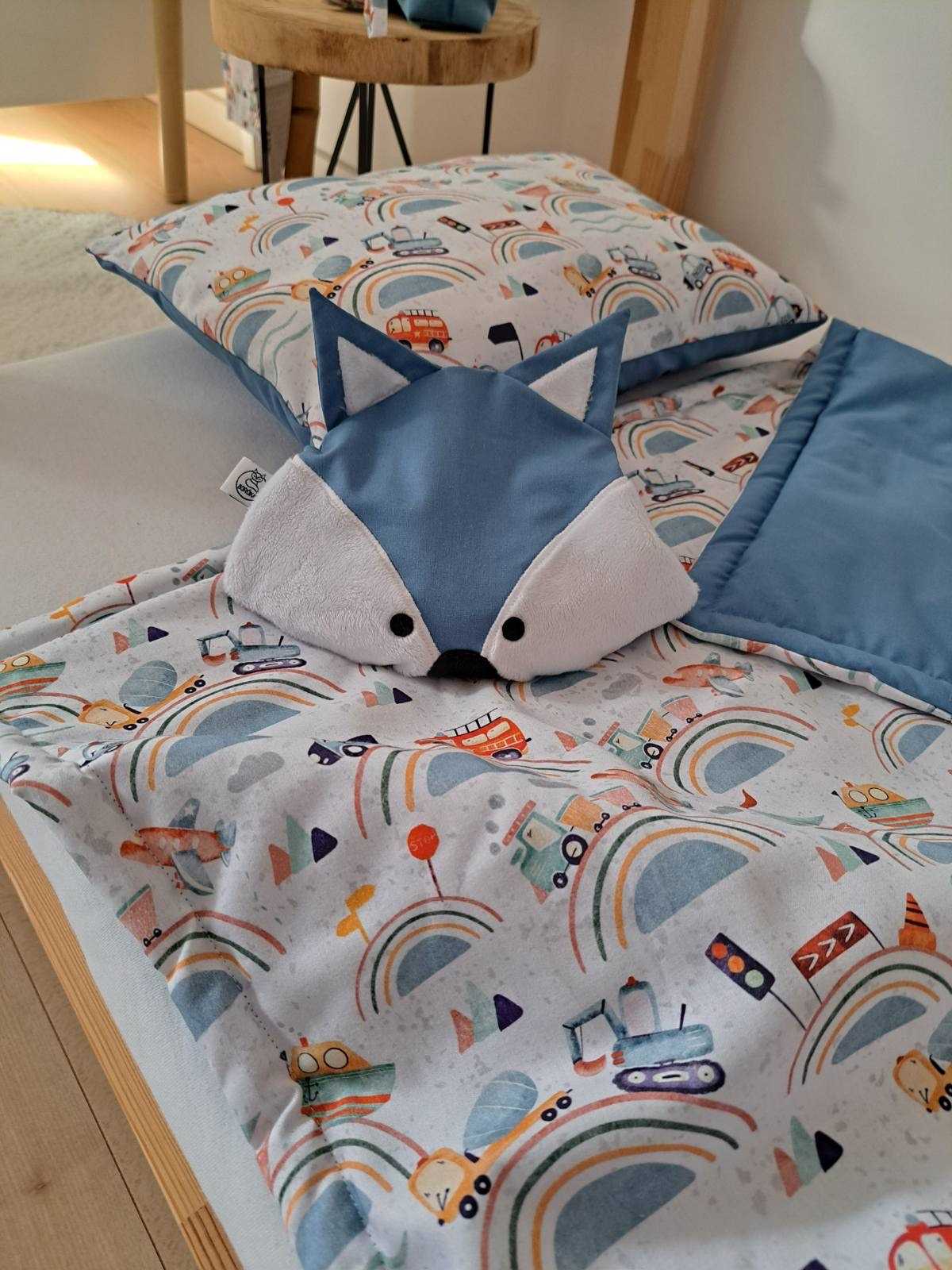
A Salt Fox Its inner filling is made with Parajd salt and herbs. Once warmed, it releases heat slowly and evenly – it does not become hot suddenly, like a hot water bottle, nor does it become soggy, like a wet compress.
How to use SóRóka for stomach ache
- Only heat the inner, removable insert, in accordance with the instructions for use.
- Give it a shake so that the salt is evenly distributed throughout.
- Try it on the inside of your wrist: it should feel pleasantly warm, not hot.
- Put it back in the cover and place a thin layer of fabric (such as a bodysuit or muslin nappy) between the SóRóka and the baby’s tummy.
- Hold the baby for a few minutes, staying by their side the whole time and watching how they react.
Details of how to heat it (in the oven, on a radiator) can be found in the Heated SóRóka: how to use the salt pillow and the natural power of dry heat You’ll find it in our article entitled .
Safety: Always use the hot SóRóka under supervision.
Step-by-step guide to tummy massage
A gentle tummy massage can help get the wind moving, whilst also forming part of a shared, peaceful moment together. Do this between feeds, not straight after a feed.
- Warm hands: Rub your palms together before you touch their tummy.
- Circles in a clockwise direction: With the palm of your hand, around the navel, applying slow, gentle pressure – this follows the direction of the bowel.
- Cycling: Hold the baby’s leg and gently „rotate” it, then bend their knee towards their tummy for a few seconds.
- Keep an eye out for his signals: If it gets stuck or jammed, stop and try again later.
After the massage, many parents also apply the lukewarm SóRóka for a few minutes – the two complement each other well.
Burping and body positions that may help
- Make sure they burp during feeding as well, not just at the end.
- Feed them in a semi-upright position so that they swallow less air.
- Try the „tiger in a tree” hold: the baby lies face down on your forearm, with their head resting in the crook of your elbow. The gentle pressure on their tummy is soothing for many babies.
- Have them lie on their stomach for a short while whilst awake and under supervision – this strengthens the muscles and can help pass wind.
- When using a feeding bottle, make sure you choose a teat with a flow rate suitable for your baby’s age.
A calming evening routine for those tearful times
Stomach ache often gets worse in the evening, when the baby is already tired and overstimulated. A predictable, quiet routine gives you something to hold on to as well.
- subdued light, soft sounds or white noise
- a lukewarm bath, followed by a tummy massage
- rocking, carrying close to the body
- It’s the same routine every evening
A familiar smell and feel can make a big difference to a restless baby. Read more about this in our article on the power of olfactory memory you can read it.
And don’t forget to take a breather yourself. If you feel your patience running out, put the baby down for a few minutes in a safe place, such as the cot, and ask your partner or family for help. This isn’t a failure – it’s looking after yourself, too.
A more peaceful evening with a baby suffering from colic – a sample routine
No two babies are the same, but many families have found that an evening like this, with a slow, relaxed pace, works well for them. Adapt it to suit your own day:
- Late afternoon: When the baby is still in a good mood, you can give them a quick tummy time session and a little tummy massage.
- Before feeding: a quieter room, subdued lighting, fewer distractions.
- Whilst feeding: a semi-seated position, with a burp or two along the way.
- 20–30 minutes after feeding: Place a lukewarm hot water bottle on their tummy, through a thin cloth, for a few minutes – whilst you hold them in your lap or stay by their side.
- Bath time and pyjamas: lukewarm water, a soft towel – the same routine every evening.
- Before going to sleep: A gentle cuddle, a bit of humming or a bedtime story – ending in the same way every night.
In the first few days, things won’t run like clockwork just yet – and that’s perfectly fine. Over time, having a routine will give both you and your baby a sense of security.
What should you avoid doing if you have stomach ache?
- Do not place a hot hot water bottle or any heated object directly on your baby’s skin – babies’ skin is much more sensitive than ours.
- Do not give your baby tea, herbal extracts, drops or medicine without your paediatrician’s approval.
- Do not leave the baby unattended whilst the warm SóRóka is on them.
- Don’t shake the baby, no matter how tired you are – instead, put them down in a safe place and ask for help.
- Don’t blame yourself: stomach ache isn’t your fault, and it doesn’t mean you’re doing something wrong.
When your baby has a tummy ache, your most important tools are patience and calm – the SóRóka, massage and a routine can all be your allies in this.
When should you see a doctor?
Stomach ache is harmless in itself, but some symptoms may be a sign of something else. Contact your paediatrician or health visitor if your baby:
- feverish (above 38 °C in children under 3 months of age – seek immediate medical attention)
- Is the vomit, particularly when it comes out in a stream, greenish?
- their stools are bloody or very watery
- He isn’t eating properly, isn’t putting on weight, and there are fewer wet nappies
- unusually drowsy, difficult to wake up
- their crying suddenly changes in nature, or nothing can soothe them for hours on end
In such cases, don’t try home remedies – a medical examination comes first.
Frequently asked questions about babies with tummy ache
From how many weeks of age can the SóRóka be used?
At room temperature, it can be used next to a baby from birth, under supervision. When it is warm, always use it with a thin layer of fabric and under supervision.
Should I put something warm or cold on his tummy?
For stomach ache, lukewarm, dry heat is the tried-and-tested method. Parents tend to use the chilled SóRóka in other situations – more on this In our article on the everyday use of SóRóka we write.
How long can I keep the warm SóRóka on my baby?
Usually for 10–15 minutes, until the water is pleasantly lukewarm and as long as the baby is comfortable. Keep an eye on them.
Help for those tougher evenings
SóRóka is a Hungarian-made sleep companion filled with salt from Parajd and medicinal herbs, which comes in handy not only on evenings when you have a tummy ache but also on days when you’re feeling under the weather. Take a look at the classic SóRókák and the Pocóka’s Salt Foxes, and choose your baby’s favourite.
Related posts

- 2026.08.19.
- 15:49
Heated SóRóka: how to use the salt pillow and the natural power of dry heat

- 2026.08.18.
- 16:50


 Magyar
 Deutsch